
MIG vs. TIG Welding Services: Which Process Is Right for Your Phoenix Project?
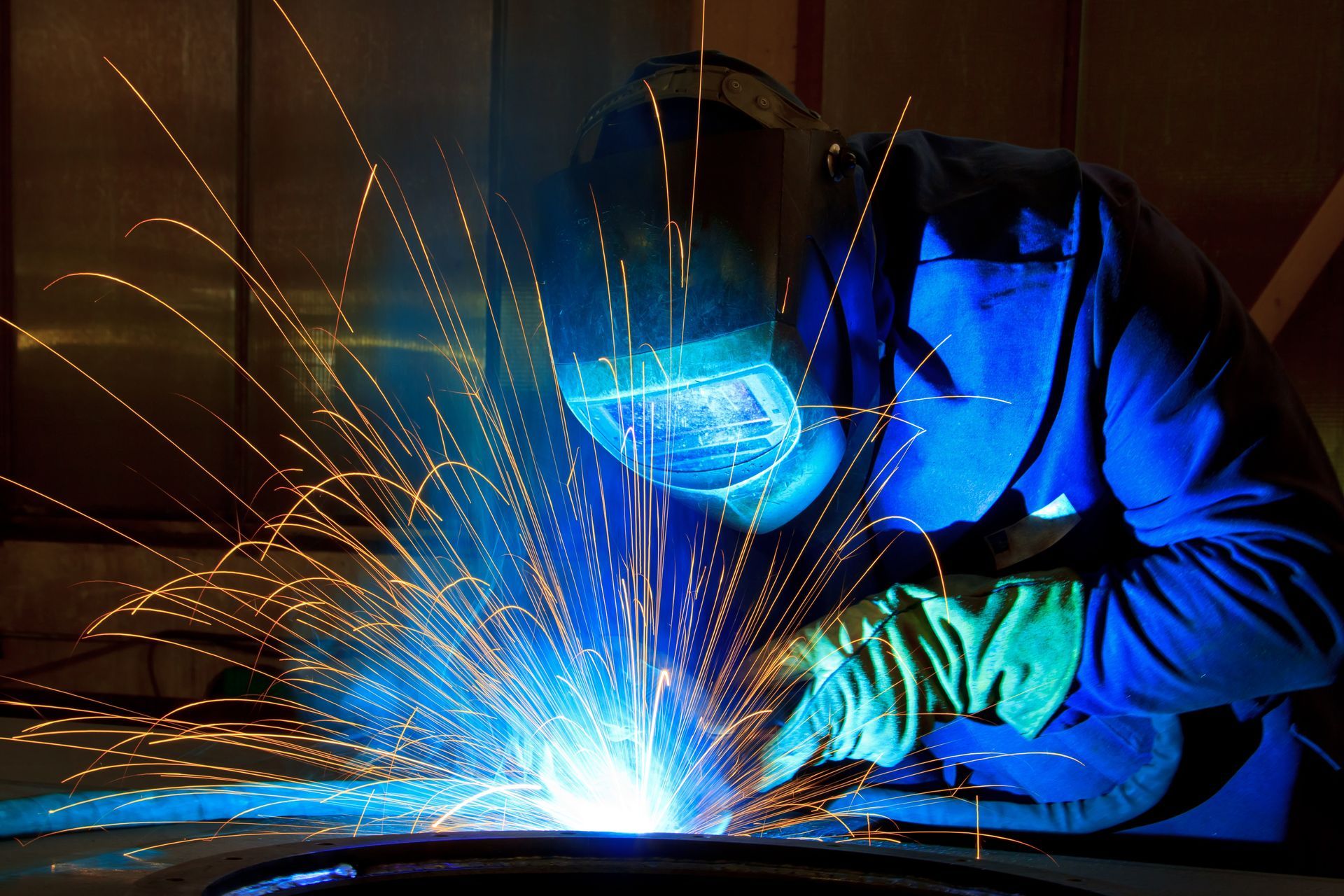
Choosing the right welding process matters for every Phoenix project, and understanding how Welding Services differ by method can save time, money, and rework. The two most common techniques in fabrication, structural, and automotive work are MIG and TIG welding. Each has strengths that suit specific materials and project demands in a high-growth metro like Phoenix, AZ.
What Is MIG Welding and When Should You Use It?
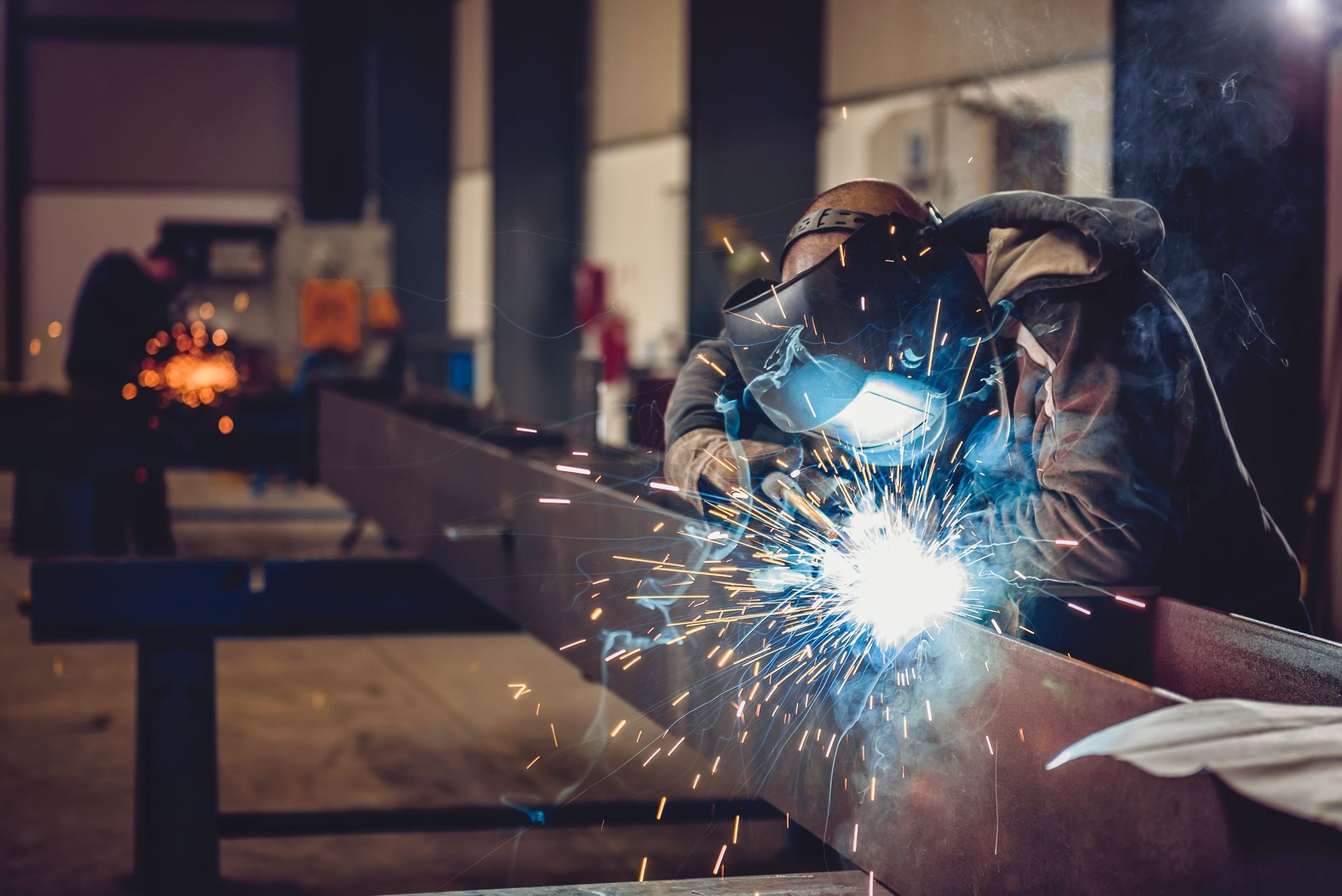
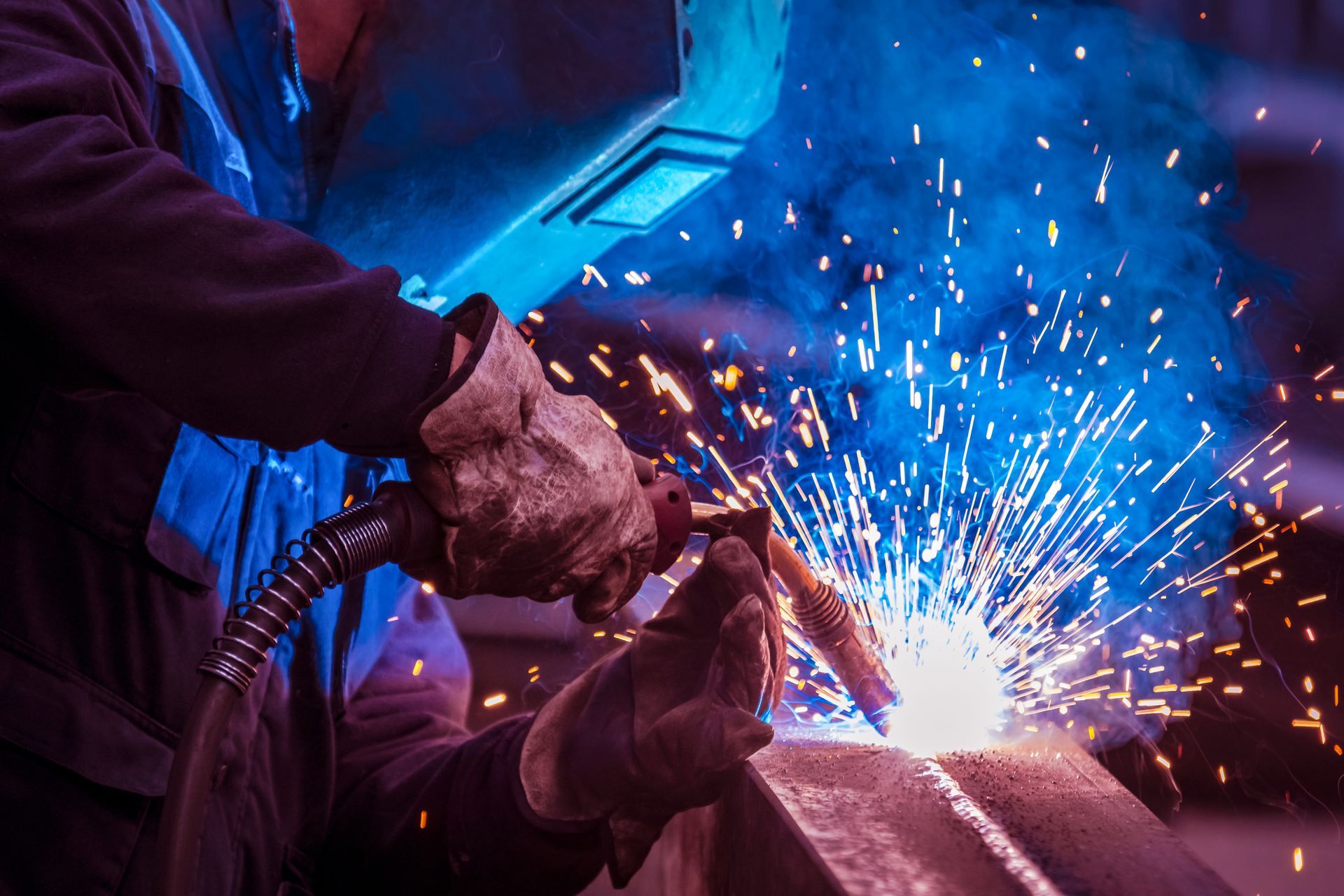
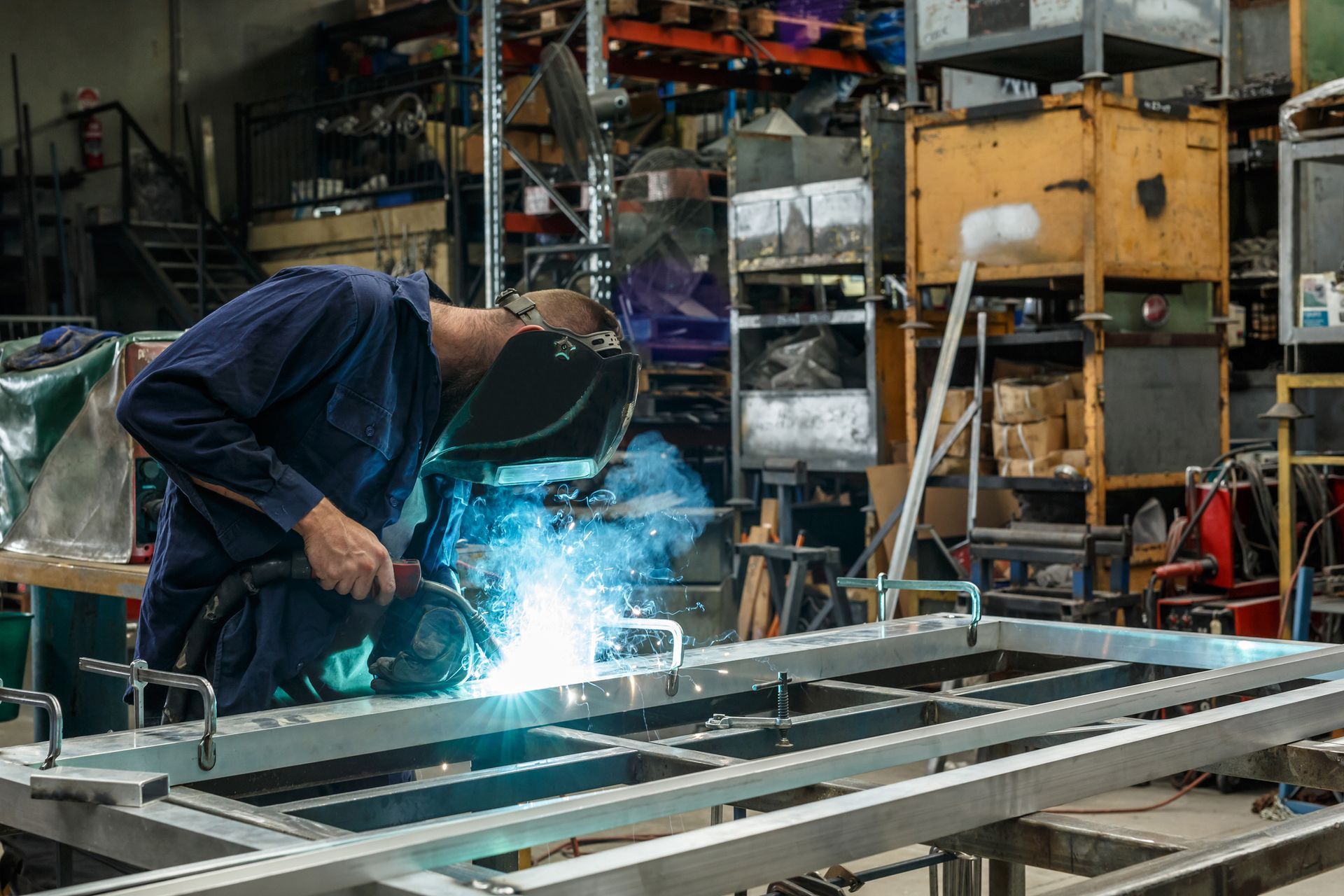
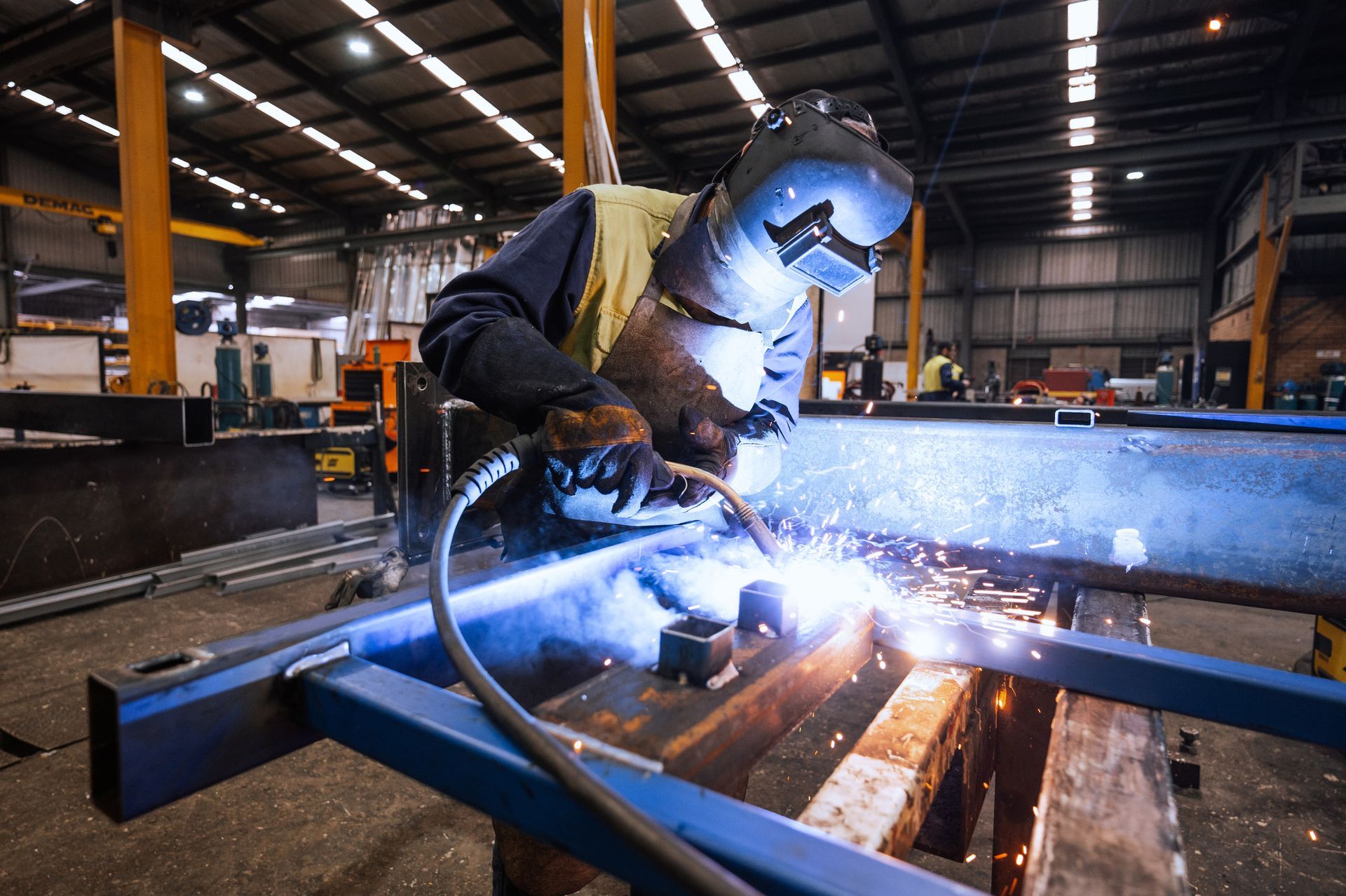
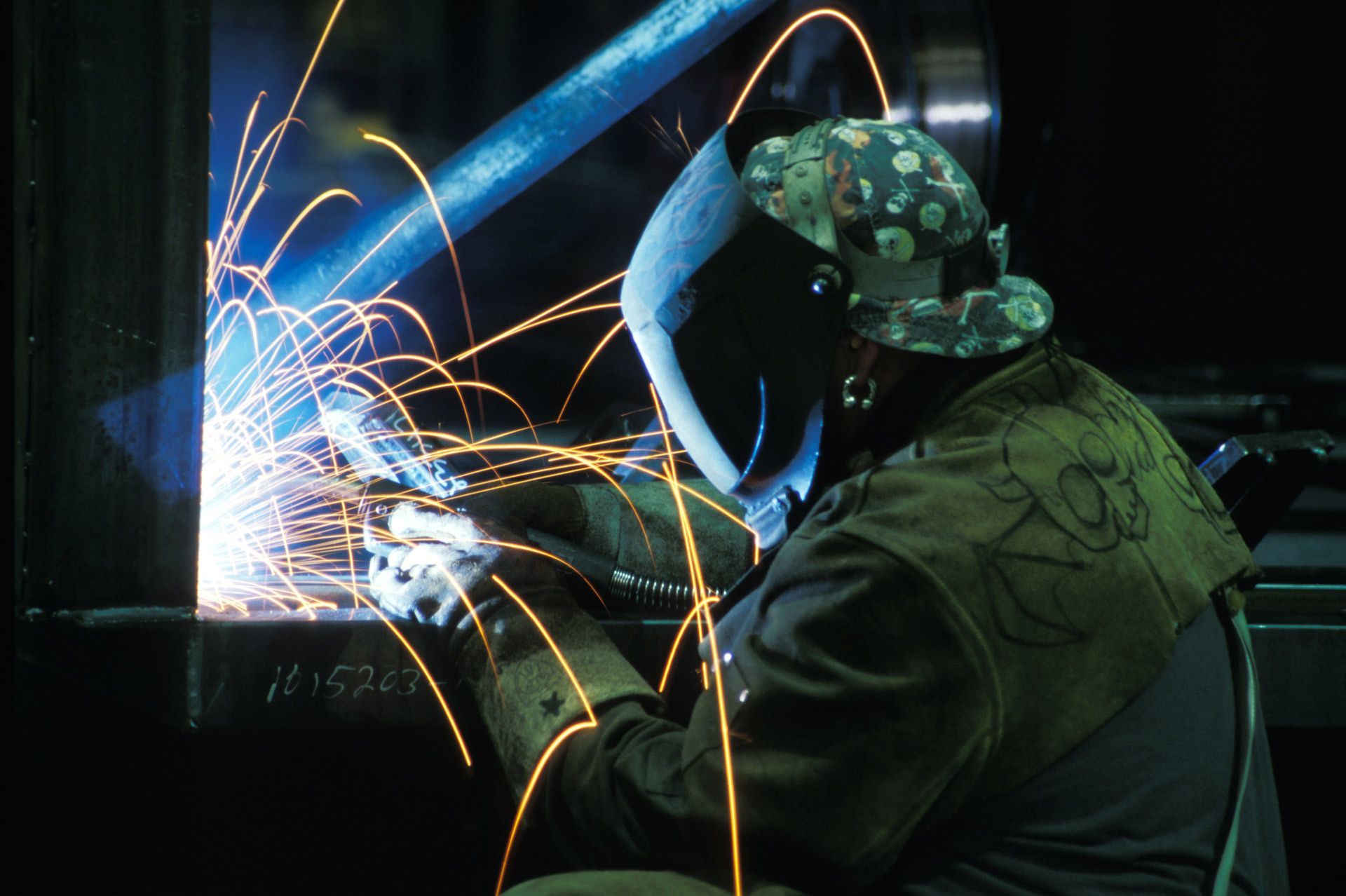
MIG welding is a fast, versatile process suited for thick materials and high-volume work. It uses a continuous wire feed and shielding gas to create the weld. Contractors along Phoenix's I-17 and Loop 303 corridors often turn to MIG for structural frames, warehouse components, and equipment supports. It handles mild steel and thicker sections with less risk of burn-through.
Key advantages of MIG welding include:
▸ Strong welds on thick, heavy material sections.
▸ Faster deposition rate than TIG, reducing overall project time.
▸ Easier to operate for standard shop applications.
▸ Well-suited for structural and fabrication projects across the Phoenix metro.
The tradeoff is that MIG typically produces a wider, rougher bead that may need grinding for cosmetic or precision work.
When Does TIG Welding Make More Sense?
TIG welding offers superior precision and a cleaner finish, making it the preferred choice for detail-sensitive work. It uses a non-consumable tungsten electrode and requires more skill and time than MIG. For Phoenix projects involving stainless steel, decorative metalwork, or thin materials, TIG is often the better fit. Food service fabrication, automotive, and architectural metalwork frequently specify TIG because bead quality and aesthetics matter as much as strength.
Key advantages of TIG welding include:
▸ Clean, precise welds with minimal spatter or post-weld cleanup.
▸ Works well on stainless steel and thinner metal sections.
▸ Preferred for automotive restorations, custom brackets, and decorative components.
▸ Stronger heat control helps prevent warping in thinner material.
TIG takes longer, so it may not be the most efficient choice for large-scale structural jobs where MIG can meet the same strength standard faster.
Which Process Is Better for Stainless Steel?
TIG welding is generally preferred for stainless steel because it produces a cleaner weld with less risk of contamination or discoloration. This matters for food-grade equipment, commercial kitchen fabrication, and architectural features common in Phoenix's hospitality and commercial sectors.
Does Phoenix's Climate Affect the Welding Process?
Phoenix's intense heat and low humidity can affect shielding gas behavior in outdoor applications. Welders often adjust gas flow and technique during summer months to compensate for wind or high ambient temperatures. Discussing outdoor versus indoor conditions with your welder upfront helps ensure consistent weld quality.
How to Choose the Right Process for Your Project
The right method depends on material type, project scale, finish requirements, and turnaround time. For high-volume structural or fabrication work, MIG Welding Services in Phoenix, AZ typically deliver the best efficiency. For precision stainless, automotive, or decorative work, TIG is the stronger choice. A certified welder will assess your material, joint design, and end-use requirements before recommending a process.
Get Expert Welding Guidance From a Trusted Phoenix Partner
Advanced Metal Sales is an AISC-certified facility serving the Phoenix, AZ metro with MIG, TIG, and stick Welding Services for commercial, industrial, and custom projects. Whether you need fast structural fabrication or precision finish work, the team can match the right process to your needs. Contact us today to discuss your project requirements or call (623) 434-8343 for a free quote. Find us on Google and see why Phoenix contractors trust Advanced Metal Sales for reliable, certified welding work.