
The manufacturing and construction industries rely heavily on the structural integrity and precise dimensions of metal components. When specifications are not met due to improper processing methods, projects face delays, increased costs, and potential safety hazards. Understanding the nuances of metal formation is critical for engineers, architects, and procurement specialists who need to ensure their materials perform as expected under stress. By selecting the appropriate fabrication method, businesses can optimize both performance and budget.
These are the 3 key steel rolling types and techniques, explained:
1. Understanding Hot Rolling Processes
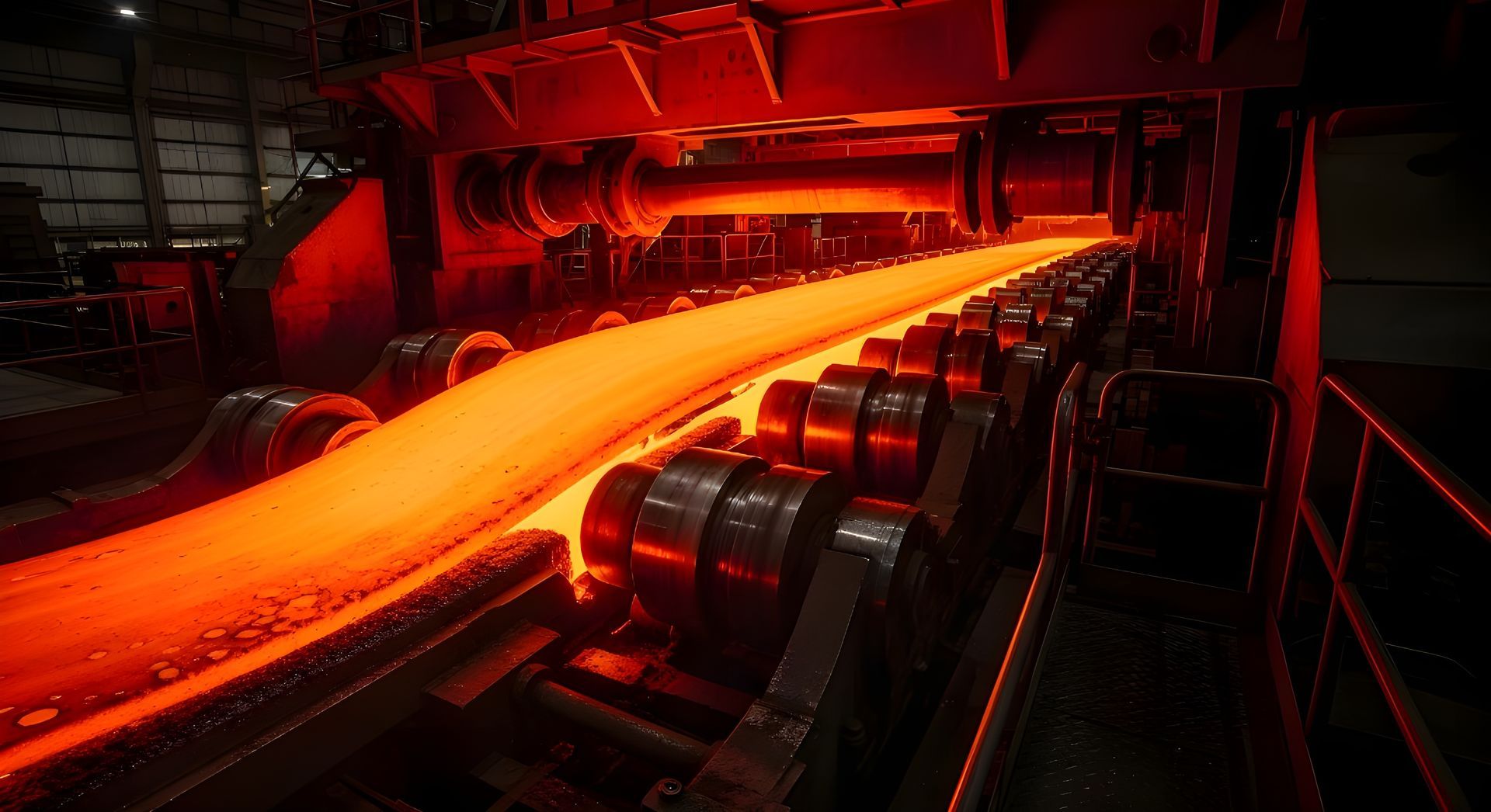
Hot rolling is one of the most common methods used in the steel industry. This process involves heating steel billets or slabs to temperatures above their recrystallization point, typically exceeding 1700 degrees Fahrenheit. At this high temperature, the metal becomes malleable and easier to shape. The steel is passed through a series of rollers that compress it into the desired shape, such as beams, plates, or sheets.
One of the primary advantages of hot rolling is its cost-effectiveness. Because the metal is soft and pliable, less force is required to deform it, which reduces energy consumption and wear on machinery. Additionally, hot rolling allows for the production of large volumes of steel quickly, making it ideal for projects that require substantial quantities of material. However, this method does have limitations. As the steel cools, it shrinks slightly, which can lead to less precise final dimensions compared to other methods. The surface finish may also be rougher due to the formation of mill scale, a layer of oxide that forms during heating.
Despite these factors, hot rolled steel remains a staple in construction and infrastructure projects where exact tolerances are less critical than strength and volume. When sourcing
materials for steel rolling, understanding these thermal dynamics is essential for project planning.
2. The Precision of Cold Rolling
Cold rolling differs significantly from hot rolling in that it is performed at or near room temperature. This process usually follows hot rolling, where the initially formed steel is further processed to achieve tighter tolerances and a smoother surface finish. Since the metal is not heated, it retains its strength and hardness, but it requires much more pressure to shape.
The main benefit of cold rolling is precision. This technique produces steel with exact dimensions and a superior surface quality, making it ideal for applications where aesthetics and fit are paramount. Industries such as automotive manufacturing, appliance production, and furniture design often prefer cold rolled steel for these reasons. Furthermore, cold working increases the yield strength of the steel through strain hardening, resulting in a stronger final product.
However, this increased strength comes with reduced ductility, meaning the metal is less flexible and more prone to cracking if bent too sharply. This
steel rolling process is also more expensive and time-consuming than hot rolling due to the higher energy requirements and slower production speeds. Choosing the right method often depends on whether the priority is dimensional accuracy or bulk production.
3. Exploring Warm Rolling Techniques
Warm rolling serves as a middle ground between hot and cold rolling processes. It is conducted at temperatures below the recrystallization point but above room temperature, typically ranging from 800 to 1700 degrees Fahrenheit. This technique aims to combine the benefits of both methods while mitigating their drawbacks.
By warming the steel, manufacturers can reduce the force required for deformation compared to cold rolling, yet still maintain better dimensional control than hot rolling. Warm rolling is particularly useful for producing complex shapes that require a balance of strength and formability. It also helps in reducing residual stresses within the metal, which can improve the overall mechanical properties of the final product.
While not as commonly discussed as its counterparts, warm rolling is an important option for specialized applications where specific mechanical traits are needed. For businesses looking for steel rolling, considering warm rolling can offer unique solutions for challenging design requirements.
Factors for Choosing the Right Method
Selecting the appropriate rolling technique depends on several factors, including the intended application, required tolerances, budget, and volume. Hot rolling is best for structural components where surface finish is secondary to strength and cost. Cold rolling is the go-to choice for precision parts requiring smooth surfaces and tight tolerances. Warm rolling offers a specialized solution for complex shapes needing a balance of properties. Evaluating these criteria ensures that the selected steel rolling material aligns with project goals.
Contact Advanced Metal Sales for Expert Solutions!
Choosing the correct steel processing method is vital for the success of any industrial or construction project. Whether you need the cost-efficiency of hot rolling or the precision of cold rolling, having a knowledgeable partner is key. Advanced Metal Sales provides high-quality metal products and expert advice to meet your specific needs. Reach out to our team today at
(623) 434-8343 to discuss your requirements and discover how we can support your business goals with steel rolling in Phoenix, AZ.